Tarquinius Priscus (c. 616–579 BCE): Etruscan Kingship, Urban Transformation, and Institutional Consolidation in Early Rome
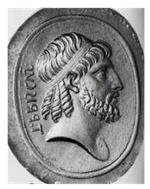
Key Political Traits:
Centralization of authority:
- Strengthened royal power and influence over institutions.
Military focus:
- Expanded Roman territory through campaigns against Latins, Sabines, and other neighboring peoples.
Urban development:
- Initiated large infrastructure projects (city walls, roads, drainage systems).
Religious integration:
- Used religious authority to consolidate political power.
Institutional innovation:
- Reorganized Senate and citizen assemblies, laying foundations for Roman civic structure.
Political Institutions
The Monarchy
- King (Rex): Supreme political authority; commander-in-chief of the army.,Religious leader, presiding over sacrifices and ceremonies.,Could appoint magistrates and officials.,Controlled administration and justice.
- Imperium: Legal power to command, including over life and death in some cases; conferred by the Comitia Curiata.
The Senate
- Composed mainly of patricians (aristocratic families).
- Functioned as an advisory council to the king.
- [object Object]
Comitia Curiata
- Assembly of Roman citizens divided into curiae (clan-based units).
- [object Object]
- Tarquinius strengthened the assembly’s formal role but ensured ultimate authority remained with the king.
Other Offices / Magistracies
- Lictors: Bodyguards and attendants of the king; carried fasces as a symbol of authority.
- Censors (precursor): Early oversight of citizens’ wealth, property, and class status for taxation and military organization.
- Military commanders and tribunes: Appointed by the king to organize army units.
Polis Management
- Built Cloaca Maxima (major sewer system) to drain marshes.
- Expanded city walls, increasing defense capabilities.
- Constructed Circus Maximus, the first major public space for games and civic events.
- Promoted temples and religious sites, strengthening religious legitimacy.
Military Organization
- Structured the army by curiae and tribes, formalizing early military hierarchy.
- Expanded Rome’s influence through campaigns against Latins, Sabines, and neighboring towns.
Administrative Oversight
- Strengthened coordination between Senate, king, and assemblies.
- Began early forms of bureaucratic management, largely under patrician supervision.
Democracy
- Rome was not democratic under Tarquinius Priscus.
- Citizen assemblies existed (Comitia Curiata) but were largely ceremonial:
- - Endorsed king’s decrees.
- - Ratified appointments and legal acts.
- Power structure:
- - Patricians dominated political life.
- - Plebeians had very limited participation, mainly military service and tax obligations.
- Early Roman “democracy” was rudimentary:
- - more symbolic than functional, with real power centralized in monarchy and aristocracy.
Tarquinius Priscus – Reforms
Political and Institutional Reforms
- Expansion of the Senate Increased the number of senators from 100 (under Romulus and early kings) to 200.,Opened Senate seats to sons of minor or non-senatorial patricians, widening aristocratic base.,Strengthened Senate’s advisory role to the king.
- Reorganization of the Citizen Assembly Comitia Curiata maintained but formalized king’s imperium approval process.,Created greater involvement of curiae in military and civic organization (still limited power).
- Creation of Lictors Lictors acted as attendants and guards of the king, symbolizing imperium.
- Military Organization Reorganized the army along curiae and early tribal lines.,Appointed military tribunes to assist in command.
Urban and Infrastructure Reforms
- Cloaca Maxima: Major sewer system to drain the Forum and surrounding areas.
- City Walls: Expansion and fortification of Rome.
- Circus Maximus: Construction of first major public space for chariot races and games.
- Temples: Temple of Jupiter on the Capitoline Hill, reinforcing religious authority.
Economic Reforms
- Public Works and Employment Large-scale construction projects created jobs and stimulated local trade.,Increased demand for stone, timber, and labor, integrating local economies.
- Trade and External Relations Tarquinius promoted trade with neighboring Latins, Etruscans, and Sabines.,Strengthened economic ties via diplomacy and military campaigns.
- Land Management Controlled allocation of public lands (ager publicus).,Encouraged settlement of conquered territories, increasing agricultural output.
- Revenue Organization Likely strengthened taxation or tribute collection from conquered towns.,Early forms of state-managed finances to fund military and urban projects.
| Aspect | Greek Poleis | Rome (Tarquinius Priscus – Servius Tullius) |
|---|---|---|
| Money | Coinage already in circulation (Lydia → Greek cities c. 6th c. BCE). Used standardized silver and electrum coins. Enabled complex trade, credit, and accounting. | No coinage yet. Trade relied on barter, weighted bronze (aes rude), or metal ingots. No formal exchange rules. |
| Markets | Agora: structured marketplace for goods, slaves, crafts, and services. Auctions and contracts possible. | Forum: mainly political and social center. Exchange informal, local, mostly in-kind or metal-weight transactions. |
| Accounting / Trade Algorithms | Early accounting methods existed: weighing coins, standard prices, contracts, even primitive credit arrangements. | No formalized symbolic exchange system. Value determined ad hoc (weight/quality of bronze), no contracts with guaranteed “checks” or promissory instruments. |
| Economic Integration | Mediterranean-wide trade, colonies, inter-polis commerce. Prices somewhat standardized. | Local and regional trade (Latins, Etruscans), mostly subsistence/agricultural. Rome not integrated into broader trade networks yet. |