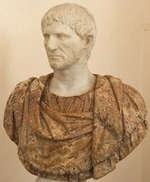
Ancus Marcius Period
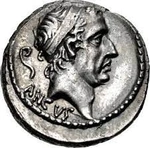
Main Political Characteristics
Balanced ruler:
Combined religio (piety, rituals, cults) with arma (military expansion).
Defensive-expansive policy:
Fought against Latins and other neighbors but focused on consolidating Rome’s hold rather than blind conquest.
Expansion of Roman territory:
Took land from Latins, brought defeated peoples to Rome, creating a more multicultural city.
Institutions of the Time
Religious:
Restored rituals neglected by Tullus Hostilius, following Numa’s tradition. Introduced fetiales priests → responsible for rituals of declaring war and peace, formalizing Rome’s “just war” concept.
Political & Legal:
Strengthened Senate through integration of new patrician houses (from conquered Latin settlements). Civic institutions expanded with new citizens.
Infrastructure / Polis Management:
Built the first bridge (Pons Sublicius) over the Tiber — crucial for trade and military mobility.
Established Ostia (Rome’s first port), a key milestone toward Rome’s commercial development.
Built salt works near Ostia → early state-controlled resource.
Democracy & Role of the King
Still monarchy, not democracy.
Ancus ruled as sole king, advised by Senate, with assemblies playing limited legitimating role.
His legitimacy leaned on both:
Religious authority (like Numa). Military strength (like Tullus).
Social Structure & Stratum Rights
Patricians:
Expanded by incorporation of Latin elites; Senate enlarged. Continued to dominate politics and priesthoods.
Plebeians:
Grew in numbers due to settlement of conquered Latins into Rome. Had rights of residence but limited political influence.
Clients:
Increased as new populations needed patrons for integration.
Slaves:
More war captives introduced from Latin wars.
Result:
Social complexity increased, with Rome shifting from a tribal settlement toward a more urbanized, mixed society.
Ancus Marcius – Reforms & Economic Changes
Religious Reform:
Reestablished rituals neglected since Numa. Instituted the fetiales priesthood, who formalized declarations of war and peace, introducing Rome’s idea of “just war.”
Military Expansion & Population Policy:
Defeated Latin towns; instead of destroying them, integrated their people into Rome. Expanded Rome’s population and workforce. Enlarged the Senate with new patrician families.
Infrastructure Reforms:
Built the Pons Sublicius, first bridge over the Tiber → allowed troop movement and improved trade connectivity. Founded Ostia, Rome’s first port → entry point for salt, fish, and trade with Etruria and Latium. Constructed salt works at the Tiber’s mouth → state-controlled industry.
Economic Changes
Shift from subsistence to proto-commercial economy:
Salt production became a revenue and strategic resource (salt roads linked Rome to Latium). Increased urbanization from influx of conquered populations created larger local markets.
Imports & Exports:
Ostia opened direct routes for exchange with Etruria, Latins, and possibly Greek traders. Still barter-dominant (no coinage yet), but more structured than in Romulus’ or Numa’s time.
State Role:
Rome began controlling key resources (salt monopoly). Infrastructure (bridge, port) integrated Rome into regional trade.
| King | Political/Institutional | Economy | Society |
|---|---|---|---|
| Romulus (753–716 BCE) | Founder; Senate of 100 patres; basic assemblies. | Barter exchange; agriculture dominant; no coinage; trade minimal. | Stratified: patricians, plebs, clients; slaves from raids. |
| Numa Pompilius (715–673 BCE) | Religious institutions; priesthoods; peaceful governance. | No major economic reform; continuity of subsistence farming. | Stabilized society with religious cohesion; reinforced patrician priestly dominance. |
| Tullus Hostilius (673–642 BCE) | Militaristic expansion; Alba Longa destroyed; Senate enlarged. | Increased war booty; integration of conquered land and people. | Greater plebeian numbers; slaves increased; Senate strengthened. |
| Ancus Marcius (640–616 BCE) | Balanced religious + military; created fetiales; expanded Senate. | Salt works; Ostia founded (port); first bridge over Tiber; proto-commercial expansion. | Integration of Latins into Roman citizen body; social mix widened. |
So, where is the auctions related context? Hey, Authors, you promised!
While Ancus Marcius’ reign laid crucial groundwork for Rome’s future as a commercial hub, the economy was still too rudimentary to speak of structured market tools such as auctions. Exchange remained barter-based, and trade was conducted through direct exchange or state redistribution.
Introduction to Early Rome: The Seven Kings
Romul, the First King of Rome
Numa Pompilius, Second King of Rome

Tullus Hostilius, Third King of Rome
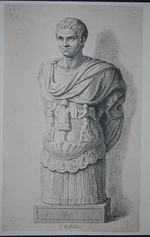
The Roman King Tarquinius Priscus
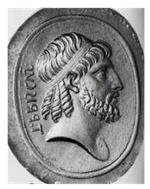
Servius Tullius – Sixth King of Rome (c. 575–535 BCE)
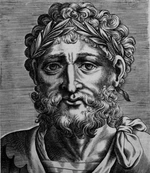
Tarquinius Superbus, the Last King of Rome