The Age of Greek Tyrants in Classical Greece Historiography (Argos, Corinth, Sicyon)
‘The age of tyrants’ is a term used by modern historians to refer to a period of time when many of the leading Greek cities were ruled by a tyrant, beginning with Cypselus of Corinth around 650 and ending with the fall of Peisistratus’ sons at Athens in 510 BCE.
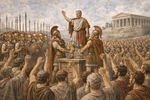
The Tyrants from the Ancient Greeks' Point of View
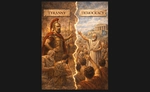
A historiographical analysis of the so-called ‘Age of Tyrants’, examining the transitional role of tyranny in the development of the polis, the seizure of power by figures such as Cypselus and Peisistratus, Aristotle’s typology of tyrants, and the interpretative challenges posed by Herodotus, Thucydides, Ephorus, and contemporary poetic sources.
Hoplite Warfare and the Military Origins of Greek Tyranny: The Case of Pheidon of Argos
An examination of the debated ‘hoplite reform’ and its political consequences in seventh-century Greece, analyzing competing scholarly interpretations of phalanx warfare, Aristotle’s constitutional theory, and the possible military basis of tyranny through the career of Pheidon of Argos.
Economic Transformation and the Rise of Tyranny in Corinth: Trade, Wealth, and the Overthrow of the Bacchiads

An analysis of the economic causes of Greek tyranny, focusing on the growth of trade, manufacture, and entrepreneurial wealth in the eighth and seventh centuries BCE, the exclusionary rule of the Bacchiads, and the rise of Cypselus and the Corinthian tyrants within a commercially expanding polis.
Cleisthenes, Tyrant of Sicyon

Cleisthenes of Sicyon: the ethnic cause. Ethnic differences among the Greeks, revealed in their dialects and customs, were sufficiently pronounced to cause political problems at different times in their history.
The Greek Tyrants: Summary
Nevertheless, the prevailing military, economic, and ethnic conditions in the seventh and sixth centuries provide strong circumstantial evidence that these factors were instrumental in the rise of tyranny, as revealed by the sources.