Lycurgan Reforms and the Rise of Sparta 700–600 BC
Concrete facts and discussions regarding early Spartan politics and society between 700 and 600 BC.

Spartan Historiographical Issues and Sources
A discussion of the lack of actual resources and the establishment of a methodological conceptual approach to the survey of Spartan history.
Prerequisites of the Spartan Polis

The disposition of the city-state of Sparta within the Hellenistic world.
The First Messenian War
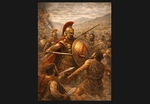
This war can reliably be dated from around 730 to 710 BC; it was fought by the Spartans against fellow Dorians who lived in and owned the fertile land of Messenia in the south-west Peloponnese.
The Second Messenian War
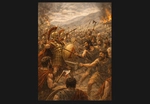
The Second Messenian War (or the Revolt of the Messenian Helots).
Political Reforms (Sparta)
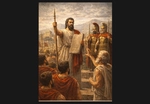
The political reforms of ‘Lycurgus’ were vital for the Spartans’ rise to power in the sixth century.
The Kings of Sparta: Prerequisites

There were two hereditary kings from the families of the Agiads and the Eurypontids.
The Gerousia

The Gerousia was the council consisting of the two kings and twenty-eight elders (‘gerontes’); the latter had to be over sixty years of age and were elected by acclamation in the Spartan Assembly.
The Ecclesia (Assembly)
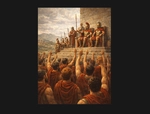
All male Spartiates or ‘Homoioi’ (the Peers/the Equals), as they called themselves, were eligible to attend the Assembly (Ecclesia).
The Ephors (The Overseers/High Magistrates)

The Ephors were not a parliament; they were supervisors with more power than any modern executive.
Social and Economic Reforms
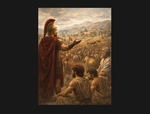
The end of the Second Messenian War was quite possibly the catalyst for the reform of the Spartan state.
The Rise of Sparta in the Sixth Century

By the end of the sixth century (599–500 BC), the Spartans had established a series of military alliances throughout the Peloponnese, in which they were acknowledged as the ‘hegemon’ (leader) of a military league.
King Cleomenes

Athens was to play a leading part in Cleomenes’ plans for extending Spartan influence outside the Peloponnese. The assassination of Hipparchus in 514 BC had persuaded his brother, the tyrant Hippias, that his hopes of survival depended upon a policy of harsh repression.